Once the weather turns cool around Cleveland, TN and Chattanooga, a lot of homeowners start looking at their walls with holiday guests in mind. Interior painting doesn't stop when the leaves fall, and a heated house works for paint all year. The real question is timing: paint needs time to cure, not just to dry, and the weeks before the holidays tend to fill up with everything else. Here's what's realistic.
Can you paint inside in fall and winter?
In most homes, yes. Interior paint cares about the temperature of the room and the wall, the humidity, and the airflow, and a heated house usually keeps all three in a workable range. A few things to watch:
- Rooms that aren't heated. Bonus rooms over the garage, sunrooms, basements and closed-off guest rooms can sit a lot colder than the rest of the house. Turn the heat on in that room ahead of time and keep it on until the paint has dried.
- Cold outside walls. Walls on the outside of the house, especially around windows and doors, can be cooler than the air in the room. The minimum temperature on the paint label applies to the surface too, not just the thermostat.
- Keep the heat on overnight. Paint keeps drying and curing after you put the roller down. Keep the house at its normal living temperature instead of letting it drop at night.
- Don't blast it. Space heaters or vents blowing hot air straight at a fresh wall can make paint dry unevenly. Let the whole room warm up instead.
Humidity, dry air and ventilation
Once the heat is running, winter air indoors tends to be dry, which generally helps paint dry. Fall can be different: rainy, damp stretches in East Tennessee can slow drying, especially in bathrooms, basements and laundry rooms.
- Keep air moving with the windows closed. Run bathroom and kitchen exhaust fans, leave interior doors open, and use a fan to circulate air in the room (not pointed right at wet paint).
- Crack a window on mild days, then close it before the room cools down.
- Ask about low-odor, low-VOC paint. It's widely available and worth considering when the house is closed up and the family is home.
- Go easy on fresh bathroom paint. Steam from hot showers on new paint can leave sticky or shiny streaks. Check the label for how long to wait, and run the fan when you do shower.
Dry vs. cured: the part that matters before guests
Paint can feel dry to the touch within hours, and walls can often take a second coat the same day. Being fully cured, meaning hard enough to scrub, bump and lean things against, usually takes weeks, not hours, and cool, damp conditions can stretch that out. That has a few practical effects on holiday plans:
- Hold off on tape and adhesive hooks. Tape, removable hooks and strips for garland, lights and stockings can pull fresh paint off the wall. Give the walls as much time as you can first, and check the hook package for what it says about new paint.
- Give furniture a little space. A couch, bookcase or Christmas tree pushed tight against fresh paint can stick to it or leave marks. Leave a small gap for the first couple of weeks.
- Watch doors and trim. Trim paint can stay soft longer than wall paint, and doors can stick to freshly painted jambs. Open and close them gently at first.
- Clean gently. A soft, damp cloth is fine for smudges early on. Save real scrubbing for after the paint has cured.
Read the label first. Each paint lists its own minimum temperature, recoat time and cure time. Those instructions beat any general rule of thumb, including ours.
Plan backward from your guests' arrival
- Pick the date you want the house back to normal, not the date guests arrive. Decorating, cooking and cleaning all need room on the calendar too.
- Count back for cure time, so walls aren't brand new when the decorations go up and furniture goes back against them.
- Then count the painting days. One bedroom is a very different job from a whole first floor with ceilings and trim. Whoever does the work, ask for a timeline up front.
- Leave time for repairs. Patched drywall, filled nail holes and fresh caulk need to dry before paint goes on.
- Choose colors early. Days are short this time of year, and guests mostly see your rooms in the evening. Look at samples in daylight and under your own lamps before you decide.
Which projects fit before the holidays?
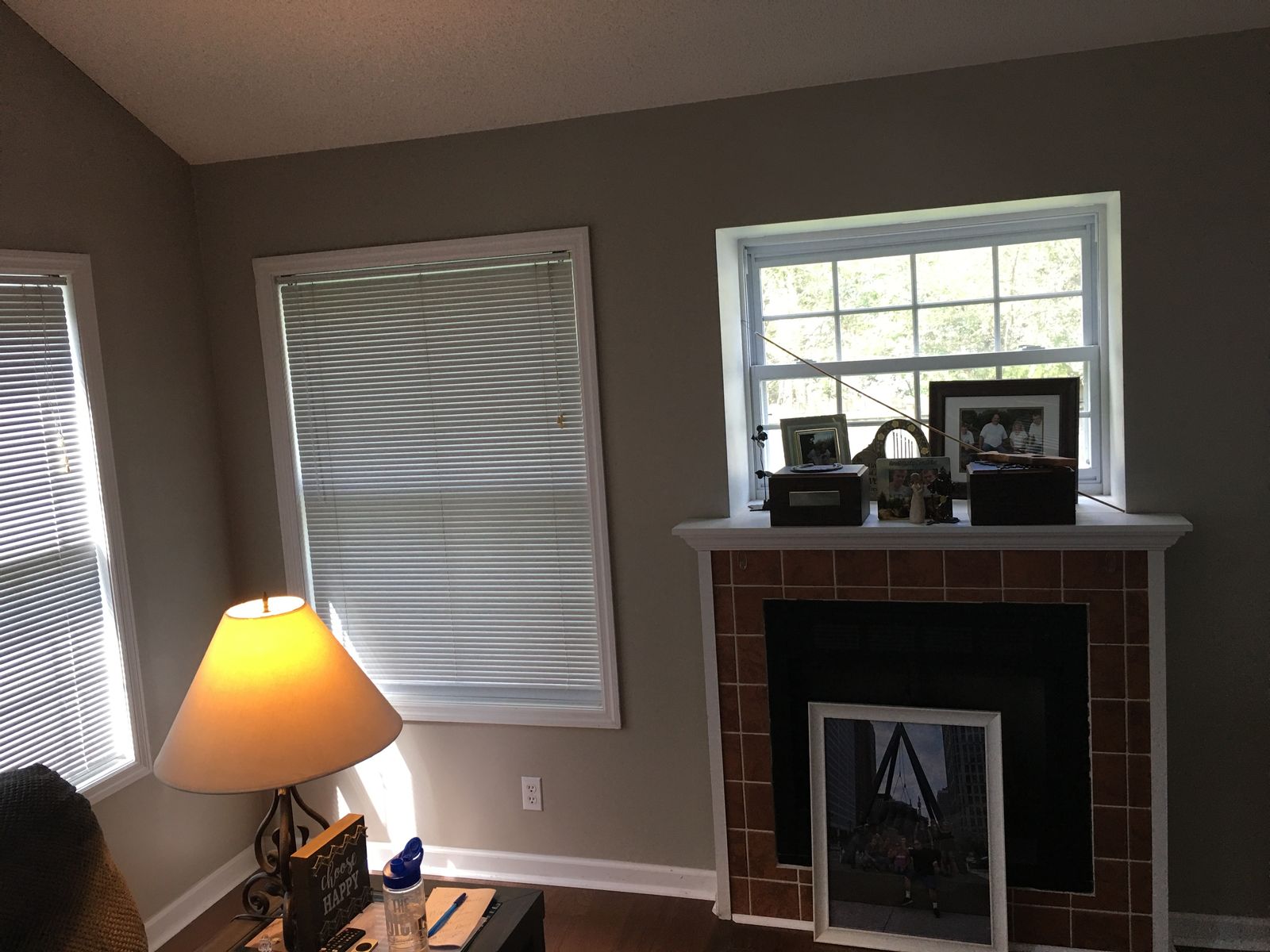
Usually a good fit: a guest bedroom, the entry or foyer, hallways, a living or dining room, an accent wall, or freshening up trim and doors. These are the spaces guests actually see, and a room or two is easier to finish with time to spare.
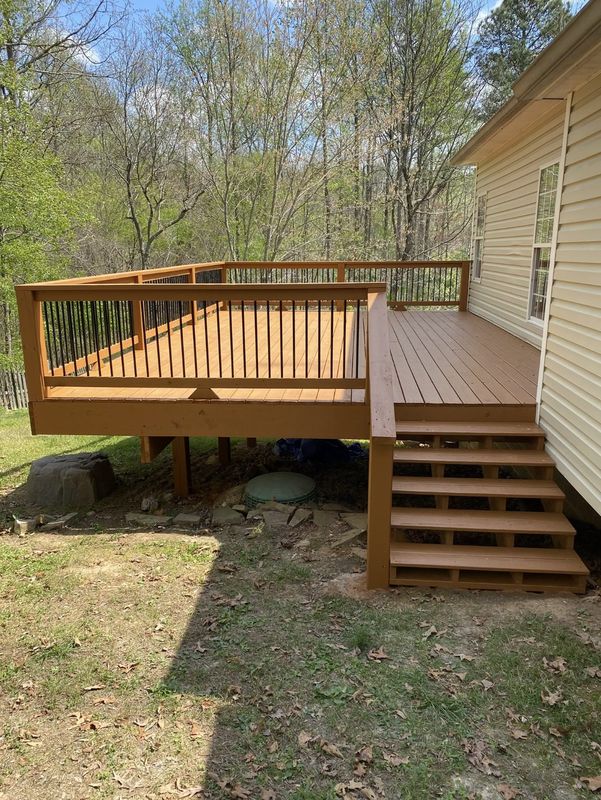
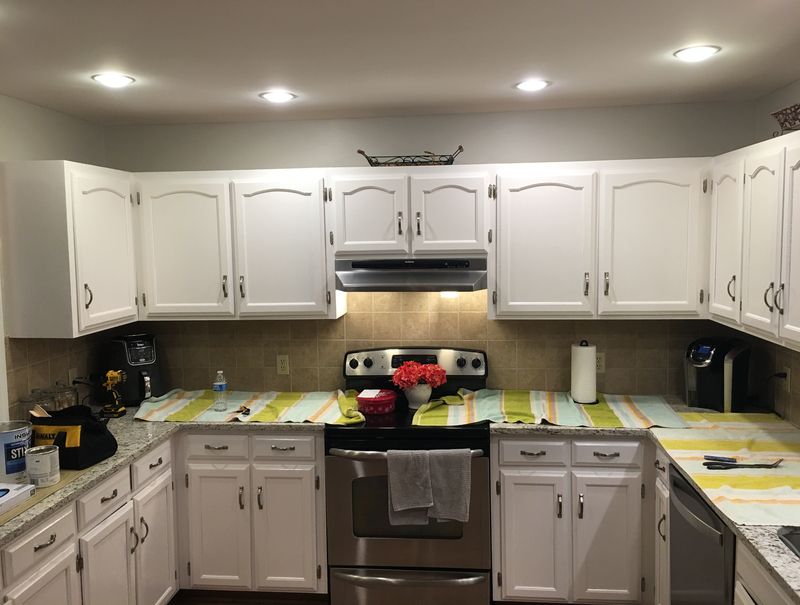
Bigger lifts: a whole-house interior, or painting kitchen cabinets, which takes the kitchen partly out of commission and needs cure time right when most people cook the most. Exterior painting and staining depend a lot on the weather this time of year; our post on when to stain a deck or fence covers why.
If the timing is tight, there's nothing wrong with waiting until after the holidays. Interior work goes just as well in January or February, and the house is often quieter then.
A quick pre-holiday checklist
- Pick rooms and colors; check samples in daylight and lamp light
- Heat any closed-off or unheated rooms ahead of time
- Plan ventilation for a house with the windows mostly closed
- Schedule painting so walls have time to cure before decorating
- Hold off on tape, adhesive hooks and furniture tight against fresh walls
- Keep leftover paint, labeled by room, for touch-ups
Want a room or two painted before the holidays?
We paint interiors for homeowners in Cleveland, TN, Chattanooga, Ooltewah, Collegedale, East Ridge and nearby, and we paint offices, businesses and gyms too. You can see some of our interior work in the gallery. Send a few photos and your dates through the free estimate form, or call or text, and we’ll give you an honest answer on what fits.